Moving into a new place in San Jose is exciting, until you realize you have no idea how many copies of your keys are floating around. Previous owners, tenants, contractors, cleaners, dog walkers, neighbors, even "trusted" spare keys can linger for years. Below is a practical checklist to help you decide what to rekey, what to replace, and what to upgrade, without overcomplicating it.
Before you buy anything, walk the property and write down every entry point that uses a key, code, remote, or latch. This helps you avoid missing the side door everyone forgets. Make a list of the front door (deadbolt and knob or lever), the garage entry door into the house, the back door or patio slider, any side doors, a basement or utility door if you have one, gate locks, the mailbox key, and sheds, storage closets, or a backyard office. Then answer one question: what should be changed first? Start with anything that gives direct access to the main living area -- the front door, garage-to-house door, and back door.
For many homes, the best first move is to rekey rather than replace. Rekeying changes the internal pins so old keys no longer work, without replacing the whole lock. Rekeying makes sense when the hardware is in good condition, the door and strike alignment are solid, you like the current style or finish, and you want all exterior doors keyed the same.
Most standard pin-tumbler locks can be rekeyed by a professional in a single visit. DIY rekeying is possible with certain systems, but many homeowners prefer a licensed locksmith to avoid mis-pinning or leaving a lock unreliable. This is also a good moment to decide whether you want one key for everything, which is more convenient, or separate keys for certain doors, which gives more control.
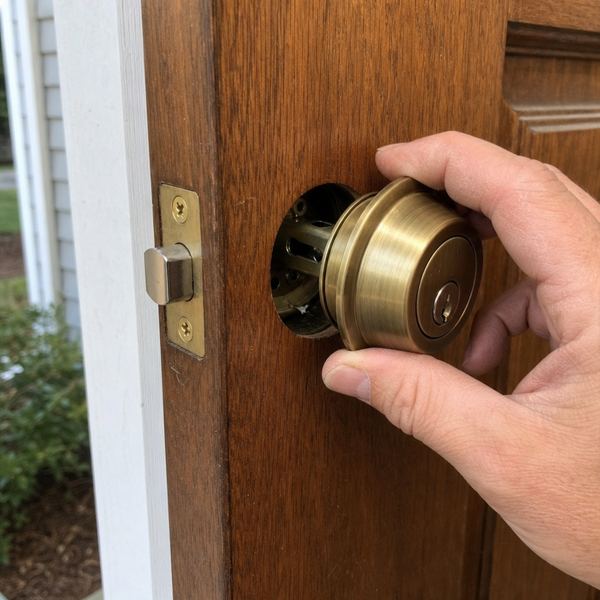
Replace the deadbolt if the lock is cheap or builder-grade and feels loose, the key sticks or the bolt drags, the door shows signs of having been forced (even minor pry marks), you want higher pick and drill resistance, or you're switching to smart or keyless hardware. Rekey the deadbolt if it's a quality brand in good shape, you simply want to invalidate old keys quickly, or you're keeping the same lock style for aesthetic reasons. If you're shopping for a replacement, look for a solid bolt, strong strike reinforcement, and a reputable grade rating.
In San Jose, garages often store bikes, tools, and spare house access, so treat the garage like a main entry. That can mean rekeying or replacing a keyed garage handle if there is one, reprogramming keypad codes on your opener, resetting smart garage access to remove previous owner accounts, and rekeying (at minimum) or replacing the door from the garage into the house if its lock is flimsy. If that interior door currently only has a knob lock, adding a deadbolt is worth considering, as long as it doesn't conflict with any egress requirements for your specific setup.
These are often ignored on day one, until they're the reason someone gets in. For sliding patio doors, make sure the latch actually holds tight, consider adding a secondary security bar if needed, and note that replacing a weak latch is often more practical than rekeying, since many sliders don't rekey cleanly. For side gates and backyard access, replace rusted padlocks, consider a covered-shackle lock if exposure is heavy, and use keyed-alike padlocks if you want fewer keys while still keeping control of spares. If sheds or outbuildings contain anything valuable, treat them like a real entry point and rekey or replace their padlocks.
A smart lock can be a good upgrade after a move, especially if you're juggling movers, contractors, or family help. Common benefits include no spare keys to track, temporary codes for cleaners or dog walkers, easy removal of access without rekeying again, and activity logs on many models. Before installing one, confirm your door is properly aligned (smart locks are sensitive to misalignment), the deadbolt throws smoothly, and your Wi-Fi or Bluetooth connection is reliable at the door location. Even with a smart lock, it's worth keeping a keyed cylinder as backup, or choosing a model with a reliable method for handling battery failure.
Some homes have SmartKey-style locks that let you reset the key yourself without pulling the cylinder apart. This can be a convenient middle ground, but make sure the lock is operating smoothly before resetting it -- if the hardware feels flimsy, a full replacement may be a smarter move than repeatedly resetting it. Think of this feature as a convenience, not automatically a top-tier security upgrade.
If your new place has multiple exterior doors, an ADU, a rental unit, or you want different access levels, it's worth asking about a residential master key system. A simple example: a master key opens everything, while a secondary key opens only certain doors, like a side entrance or garage. This can work well for households with frequent service providers, multi-unit properties, or families who want tighter access control -- just keep the hierarchy practical, since an overly complex key system can become its own headache.
If you bought the home, you control the lock decisions. If you're renting, the rules can be different. Many tenants request rekeying at move-in for peace of mind, but landlords may have policies about lock changes and approved hardware, and you typically shouldn't change locks without permission if you're a tenant. If you're unsure, ask in writing before altering any hardware, especially before installing a smart lock.
Every home is different, but pricing generally depends on the number of doors and locks involved, whether you're rekeying or replacing, hardware quality, smart lock complexity and any door prep needed, and whether it's after-hours or scheduled service. If your existing locks are in decent shape, rekeying multiple cylinders at once is often more cost-effective than replacing everything immediately -- you can always upgrade selectively later, starting with the front door.
Within 24-72 hours: rekey or replace the front door deadbolt, rekey or replace the garage-to-house door lock, rekey or replace the back or patio door lock, reset garage opener codes and remotes, and collect all keys from sellers or agents even if you plan to rekey.
Within the first two weeks: address sliding door security (latch plus a secondary bar if needed), replace weak or old builder-grade hardware, update gate padlocks and shed locks, and decide on a smart lock upgrade if you want one.
Within the first month: consider a master key system if you need layered access, do a second walk-through to catch forgotten entry points, and store spare keys securely while limiting how many copies exist.
A lock update isn't about paranoia, it's about control. San Jose Locksmith is licensed under California Locksmith License LCO 6739 (BSIS) and open Sunday through Thursday 9 AM to 9 PM and Friday 9 AM to 5 PM (closed Saturday) to help with any part of this checklist.
Should I rekey or replace the locks when I move into a new home?
Rekey if the hardware is in good condition, the door and strike alignment are solid, and you're happy with the current style -- rekeying is usually faster and less expensive. Replace if the lock is cheap or worn, the key sticks or the bolt drags, the door has been forced before, or you want higher-security hardware or a smart lock.
How soon after moving in should I change the locks?
Most homeowners handle the front door, garage-to-house door, and back door within the first 24 to 72 hours, since these give direct access to the main living area. Sliding doors, gates, and shed locks are commonly addressed within the first two weeks.
Do I need to change the garage door lock too?
It's worth treating the garage like a main entry point. That can mean rekeying or replacing a keyed garage handle, reprogramming keypad codes, resetting smart garage access to remove previous owners, and rekeying or replacing the door from the garage into the house if its lock is flimsy.
If I'm renting, can I change the locks myself?
Generally you shouldn't change locks without permission if you're a tenant, since landlords may have policies about approved hardware. Many tenants request rekeying at move-in for peace of mind -- if you're unsure, ask in writing before altering any hardware, especially for a smart lock.
Last updated: August 2026