Most people don't think about their mailbox or cabinet lock until the day it won't turn, the key snaps off, or the wrong person still has access. The good news is that most of these "I'm stuck" problems are exactly what a locksmith handles regularly. This guide covers what repairs are realistic, when replacement is the smarter move, and how to avoid repeat issues.
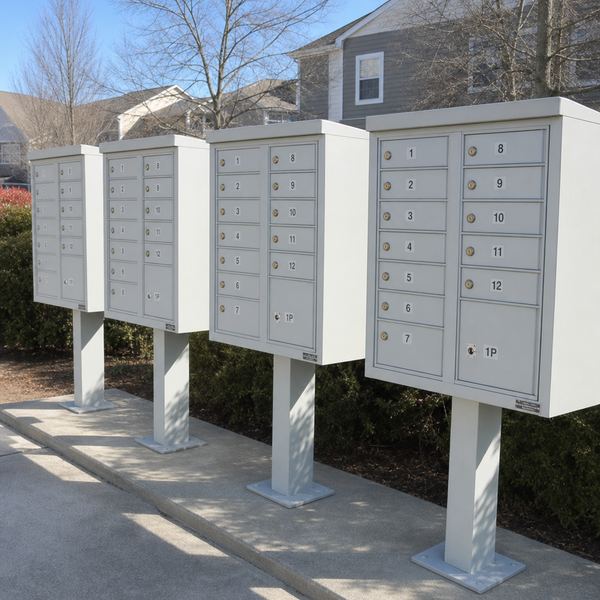
Mailbox locks live outdoors, collect dust, and get abused by rushed unlocking. Common issues include a key that won't insert fully, a lock that turns but the door won't open because the cam is slipping, a key that spins freely from worn internal parts, a lock that's frozen or gritty from corrosion, a door that's misaligned and binds against the lock, or a lock that's been forced with a bent cam or latch. These jobs typically fall under standard mailbox lock repair and can often be handled on-site without replacing the whole mailbox.
The fix depends on the cause. A locksmith may flush debris and old lubricant from the cylinder, correct a bent cam or tighten the retaining nut, align the mailbox door so the cam clears properly, or diagnose worn internal wafers and recommend rekeying versus replacement. If your lock feels jammed, avoid forcing it with pliers -- snapped keys and damaged cams are common after DIY attempts.
A frequent emergency call is a broken key stuck in a mailbox lock. Locksmiths use specialty extractors and tension tools to remove the fragment without ruining the cylinder. If the lock has already been damaged by glue, tweezers, or drilling, replacement may be the more practical next step. If a key breaks, leave the piece in place and keep the door closed until help arrives -- the more you wiggle it, the deeper it can seat.
Repair makes sense when the lock is basically sound but dirty, slightly misaligned, or has a minor cam issue. Replacement is usually better when the keyway is heavily corroded, the cylinder is worn and inconsistent, the lock was drilled, pried, or forced, or you need new keys immediately for access control. For many residents, a straightforward mailbox lock replacement is the most cost-effective way to restore reliable operation, especially on older cluster mailbox units.
For certain mailbox types, especially community or cluster units tied to USPS delivery standards, changing the lock may require going through the correct channel. A locksmith can identify whether your box uses a standard cam lock or a USPS-specific configuration and install an appropriate replacement where that's permitted. For USPS-owned locks or certain centralized units, your local post office or property manager may control the process -- a reputable locksmith will tell you up front if the job requires USPS or property authorization rather than pushing a quick swap.
If you're renting or moving into a condo, a clean process helps: confirm ownership (USPS, HOA, property manager, or you), ask what lock type is allowed since some communities require specific hardware, decide whether you need a rekey to match the existing key system or a full change, and schedule the work with labeled keys for all authorized users. In many cases, a locksmith can coordinate directly with management for access to shared mailbox areas, which saves time and avoids compliance issues.
Inside the office, garage, or home, cabinet locks fail for different reasons -- wear, slammed drawers, or inexpensive hardware. Common repairs include fixing a jammed core or worn wafers, correcting misaligned drawers, rekeying office cabinets after staff turnover, fixing a cam that no longer catches, replacing a missing lock cylinder and cutting new keys, and restoring function after a key breaks off.
If a cabinet door opens but won't stay secured, the cam is often loose or bent. A repair or replacement can involve the cam lock cylinder itself, the cam tailpiece length or style, the mounting hardware and washer stack, and the keying option, whether unique keys per cabinet or a keyed-alike set. For businesses, keyed-alike upgrades are a simple way to reduce key clutter without sacrificing access control.
If your concern is who still has keys, rekeying can reset the lock to a new key without changing the visible hardware in most cases. If the existing lock is low-grade or has been targeted before, a higher-security upgrade is worth considering, especially for medication storage, sensitive client files, tool cribs and inventory cabinets, or shared breakroom and supply storage.
Prices vary by lock type, time of day, and whether parts are needed. Common variables include the service call or mobile trip fee, labor time (simple cleaning versus extraction and replacement), lock type (standard cam lock versus restricted or USPS-approved hardware), the number of keys requested, and after-hours or weekend scheduling. It's reasonable to ask for an estimate range before dispatch and confirm whether keys are included in the price.
San Jose's mild weather is generally kind to hardware, but outdoor locks still corrode over time, especially near sprinklers. A few habits help: keep sprinklers from hitting the mailbox directly, use a graphite or lock-specific dry lubricant rather than a thick oil that traps grit, avoid hanging heavy keychains while turning the key, and address stickiness early before it turns into a no-access day. For cabinets, avoid forcing overfilled drawers and periodically check that screws and cams remain snug.
Call a professional when you're locked out, a key has broken, or you need updated access control. When you reach out, it's worth asking whether they handle both mailbox cam locks and cabinet cam locks, whether they can attempt broken-key extraction without drilling first, whether they offer rekeying or only full replacement, and whether they can support USPS or HOA requirements if your situation needs it.
San Jose Locksmith is licensed under California Locksmith License LCO 6739 (BSIS) and open Sunday through Thursday 9 AM to 9 PM and Friday 9 AM to 5 PM (closed Saturday) for mailbox and cabinet lock service.
What mailbox lock problems can a locksmith fix?
Common issues include a key that won't fully insert, a lock that turns but the door won't open (a slipping cam), a key that spins freely from worn internal parts, a lock that's frozen or gritty from corrosion, a misaligned door binding against the lock, and a forced lock with a bent cam or latch. Most of these can be repaired on-site without replacing the whole mailbox.
My key broke off in the mailbox lock. What should I do?
Leave the broken piece in place and keep the door closed until help arrives -- wiggling it can seat the fragment deeper. A locksmith uses specialty extractors and tension tools to remove broken key fragments without damaging the cylinder. If the lock has already been damaged by glue, tweezers, or drilling attempts, replacement may be the next step.
Can I change the lock on my mailbox myself?
For USPS-owned locks or certain centralized cluster mailbox units, your local post office or property manager may control the process, so it's worth confirming ownership and any required authorization before changing hardware. A locksmith can identify whether your box uses a standard cam lock or a USPS-specific configuration and advise whether the swap needs approval first.
Is it cheaper to repair or replace a cabinet lock?
Repair usually makes sense when the lock is basically sound but dirty, slightly misaligned, or has a minor cam issue. Replacement tends to be the better move when the keyway is heavily corroded, the cylinder is worn and inconsistent, the lock was drilled or forced, or you need new keys right away for access control.
Last updated: August 2026